
Views: 0 Author: Site Editor Publish Time: 2026-03-27 Origin: Site


The Smart Key and Keyless Entry systems are both advanced technologies designed to enhance convenience and security for vehicle owners. While they share similarities, such as allowing drivers to unlock their car without inserting a physical key, they serve distinct purposes. A Smart Key goes beyond basic entry functionality, enabling users to start their engine, lock or unlock doors, and control other features remotely without needing to take the key out of their pocket or bag. On the other hand, Keyless Entry focuses primarily on unlocking and locking the doors when the key fob is in proximity. The key difference between the two systems lies in the level of control and functionality offered, with the Smart Key offering a more comprehensive and secure solution for modern vehicles.
A Smart Key is an advanced electronic device that enables users to interact with their vehicle without inserting a traditional key into the ignition. It utilizes wireless technology to communicate with the car, allowing for convenient and seamless control over various functions.
· Remote Unlocking: Unlocks the vehicle’s doors without the need to physically touch the key.
· Engine Start/Stop: Allows the driver to start and stop the engine with a push of a button.
· Trunk Opening: Opens the vehicle's trunk remotely, without the need to manually use the key.
· Proximity Detection: Detects the proximity of the key fob to the vehicle and can unlock doors or activate the engine when the fob is within range.
· Enhanced Security: Provides additional security features, including encryption and anti-theft mechanisms.
· Cars: Most modern vehicles are equipped with Smart Keys, allowing for keyless entry, remote starting, and other remote-controlled vehicle functions.
· Smart Homes: Smart Key technology is also used in smart home systems, providing keyless access to doors, locks, and other connected devices within the home.
Keyless Entry is a system that allows users to unlock and open car doors without physically using a key. Instead, it relies on proximity sensors that detect when the key fob is nearby, enabling automatic unlocking or locking of doors without the need for manual interaction.
· Remote Unlocking and Locking: The system automatically unlocks the car doors when the key fob is in close proximity, and locks them when the fob is out of range.
· No Contact Required: Unlike traditional keys, Keyless Entry allows the user to unlock and lock the car doors without touching the key fob or inserting a key into the door.
· Convenience: It simplifies the entry process, especially when the user’s hands are full, as the doors can unlock automatically when the key is detected.
· Unlocking Car Doors: One of the most common applications, Keyless Entry makes it easy to access vehicles without manually inserting a key.
· Opening Room Doors: Similar technology is used in hotel rooms or office buildings, where keyless entry cards or fobs allow access to rooms or secure areas.
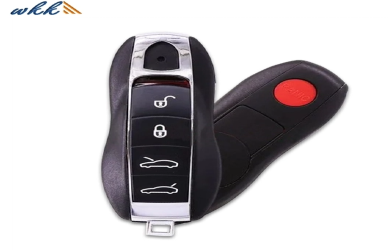
· Smart Key: A Smart Key is a highly versatile device that not only unlocks the car doors but also allows the driver to start the engine, turn it off, open the trunk, and in some cases, control features like seat adjustments or climate settings. It offers more extensive functionality and provides a seamless, user-friendly experience by enabling full control over the car without the need for physical key insertion or manipulation.
· Keyless Entry: Keyless Entry, on the other hand, is mainly focused on unlocking and locking the doors. It allows the user to gain access to the car without having to physically insert a key, but it does not offer additional features like engine starting, remote operation of other car functions, or the ability to interact with the vehicle beyond entry.
· Smart Key: Smart Keys integrate advanced wireless technologies such as Bluetooth, NFC (Near Field Communication), and RFID (Radio Frequency Identification) to enable remote starting, keyless entry, and enhanced communication with the vehicle. These technologies are designed to make vehicle operation more intuitive and secure, offering users the ability to interact with the car from a distance and automate various functions.
· Keyless Entry: Keyless Entry systems primarily use RFID technology to enable unlocking and locking of car doors based on the proximity of the key fob. It works by detecting the presence of the fob when it’s within range of the car, allowing for easy access. While effective for simple entry, it does not have the same complex integration of multiple technologies as the Smart Key.
· Smart Key: One of the main advantages of a Smart Key is its enhanced security features. These keys typically employ rolling codes, encrypted signals, and other anti-theft mechanisms that make it difficult for thieves to duplicate the signal. Furthermore, many Smart Key systems have additional security protocols such as motion sensors or two-factor authentication, ensuring that unauthorized individuals cannot easily access or start the vehicle.
· Keyless Entry: While convenient, Keyless Entry systems tend to offer lower security than Smart Keys. The lack of encryption in some older or less advanced models makes them more vulnerable to attacks such as relay attacks, where criminals intercept and replicate the signal from the key fob to gain unauthorized access to the vehicle. Though modern Keyless Entry systems have some security improvements, they are still generally considered less secure than Smart Key systems.
· Smart Key: The Smart Key provides superior convenience by allowing users to perform various functions without ever needing to remove the key from their pocket or bag. This includes unlocking the car, starting the engine, turning it off, and even controlling other car features like the trunk or lights—all with a simple push of a button or through proximity detection. This hands-free operation significantly enhances user comfort and eliminates the need for manual key manipulation.
· Keyless Entry: Keyless Entry provides convenience in terms of unlocking and locking the doors without physically handling a key. The system detects the presence of the fob when it is in proximity to the vehicle and unlocks the doors automatically, making it ideal for situations when your hands are full or when you're in a hurry. However, it only offers the basic function of entry and exit, leaving more advanced features, such as starting the engine, to other systems like the Smart Key.
When choosing between a Smart Key and Keyless Entry, it ultimately depends on your personal preferences and the level of convenience and security you desire in your vehicle.
· For Those Seeking Advanced Features: If you are looking for more than just a way to unlock your car, a Smart Key offers additional features such as remote engine start, the ability to control the trunk, and even seat adjustments. If you value a seamless, high-tech experience that makes driving and vehicle access as easy as possible, the Smart Key system is a perfect choice.
· Enhanced Security: For those concerned about the safety of their vehicle, the Smart Key provides better security. With encrypted signals and advanced anti-theft features, Smart Keys ensure that unauthorized access to your car is extremely difficult, making it an ideal choice for individuals who prioritize security.
· For Those Who Prefer Simplicity: If you prefer a no-fuss approach to unlocking your car and don’t need advanced features like remote starting or trunk access, Keyless Entry might be the better option. It provides convenience in unlocking and locking your car with just proximity detection, without the need for manually inserting a key. This makes it a great choice for those who want basic functionality without the complexity.
· Cost-Effective: Keyless Entry systems are often simpler and less expensive to install than Smart Key systems. If you don’t need all the extra features that a Smart Key provides, Keyless Entry offers a budget-friendly solution for those who only require essential functions like unlocking and locking the doors.
The Smart Key offers additional features like remote engine start and more comprehensive control, while Keyless Entry focuses primarily on unlocking the door without the need for a key.
No, Keyless Entry systems are only designed for unlocking the car door. Starting the car requires a Smart Key system.
Smart Keys generally offer enhanced security, with encrypted signals to prevent unauthorized access. Keyless Entry is more vulnerable to hacking or relay attacks.
Yes, as long as the key fob is within range of the vehicle, it will automatically unlock the door. However, starting the car often requires either a Smart Key or a traditional key.
In conclusion, the main differences between Smart Key and Keyless Entry lie in their functionality, security features, and overall convenience. A Smart Key offers a wide range of advanced features, such as remote engine start, trunk control, and hands-free operation, while also providing enhanced security through encrypted signals and anti-theft mechanisms. In contrast, Keyless Entry focuses on the simple task of unlocking and locking car doors through proximity detection, offering ease of access without the need for physical key insertion but with limited additional features and security. For users seeking a high-tech, secure, and feature-rich experience, the Smart Key is the ideal choice, offering advanced functionality and peace of mind. However, for those who prefer straightforward convenience, are looking for a more affordable option, or simply need basic door access, the Keyless Entry system will be more than sufficient, providing a simple and effective solution.


 WhatsApp


