
Views: 0 Author: Site Editor Publish Time: 2026-02-19 Origin: Site


For most car owners, a car key battery is a small yet crucial component of everyday life. It’s the unsung hero that powers your remote keyless entry, allowing you to lock and unlock your vehicle, start the engine, and activate other important features. But as with all batteries, eventually, the charge fades, and you’ll need to replace it. The question is, how long does a car key battery last before it needs replacing?
From our perspective as a leading provider of automotive parts, including key batteries and accessories, it’s important to understand that the lifespan of a car key battery isn’t just about the time passed—it’s about how often and in what conditions you use the key. A well-maintained battery can last for several years, but neglecting basic care or leaving the key unused for long periods may lead to early failure. In this article, we’ll dive into how long car key batteries typically last, what factors influence their lifespan, and how you can get the most out of your car key battery.
Typically, car key batteries last between 3 to 5 years. This range can vary depending on several factors, including the frequency of use, the type of car key, and environmental conditions. For most standard key fobs, the battery will begin to lose power after several years of operation, leading to a decrease in range or an inability to function at all. You’ll know it’s time to replace the battery when the key starts to require you to press the buttons more than once, or when the signal range becomes noticeably shorter.
Standard Key Fob: 3 to 5 years
Smart Key (Proximity Key): 2 to 4 years
Traditional Car Key with Transponder Chip: 5 to 10 years (depending on the specific chip and usage)
Several factors can influence how long a car key battery will last. Understanding these can help you take better care of your car key and avoid premature battery failure.
The more often you use the key, the quicker the battery will drain. For instance, if you frequently use remote functions like unlocking the car, opening the trunk, or starting the engine, you’re using up more power. Conversely, if you only use your car key for locking and unlocking, your battery may last much longer.
Smart keys (those that automatically lock/unlock as you approach the vehicle) tend to have a slightly shorter lifespan because they are constantly in communication with the car.
The type of key can also affect battery life. Standard remote keys with fewer features tend to have longer-lasting batteries compared to smart keys or proximity keys which are always in standby mode. These keys are more advanced and need more energy to maintain their constant communication with the vehicle, leading to quicker battery consumption.
Weather conditions can have a significant impact on the lifespan of a car key battery. Extreme temperatures—whether cold or hot—can cause the battery to drain more quickly. If you live in a region with high humidity or frequent temperature changes, your car key battery may degrade faster.
Not all car key batteries are created equal. While most key fobs use CR2032 or CR2025 batteries, the quality of the battery can vary based on brand. Higher-quality batteries, such as those from well-known brands, tend to last longer and perform better under varying environmental conditions.
A weak car key battery can show several signs, including:
Shorter range: If the key no longer works from as far away as it used to, or if it requires more than one press of the button to unlock or lock the doors, your battery may be dying.
Key fob light dimming: Many key fobs have a small light that blinks when you press the button. If the light dims or doesn’t light up at all, it’s time to check the battery.
Unresponsive key fob: When the key fob becomes unresponsive and doesn’t work at all, it’s an obvious sign the battery is dead.
In the case of smart keys or proximity keys, the first sign of battery depletion might be that the car doesn’t detect the key automatically when you try to start it, or it may show a warning light on your dashboard.
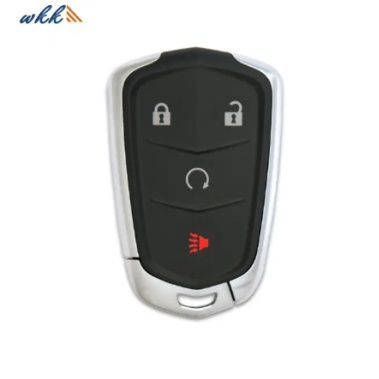
Replacing the battery in your car key is a relatively simple process, but the exact steps depend on the type of key fob you have. Here’s a general overview:
Open the key fob: Use a flathead screwdriver or a key opening tool to gently pry apart the two halves of the key fob.
Remove the old battery: Carefully remove the old battery from its compartment. Most key fobs use CR2032 or CR2025 batteries, which are widely available.
Insert the new battery: Place the new battery with the correct side facing up. Double-check the model number and polarity (+/-) before inserting it.
Reassemble the key fob: Snap the two halves of the key fob back together and ensure they are securely closed.
Replacing the battery in a smart key is similar, but it may be a bit more complicated due to the key’s internal components. You may need a specialized tool to open the casing, and sometimes the battery compartment is not as easily accessible.
For both types of keys, you can always visit a professional locksmith or dealership if you are unsure about doing it yourself.
While the life of a car key battery is mostly determined by factors beyond your control, there are things you can do to prolong the lifespan and get more value from your key fob:
Tip | Benefit |
Avoid extreme temperatures | Protects the battery from rapid degradation |
Don’t keep the key fob near other electronics | Prevents interference that could drain the battery faster |
Replace the battery before it runs out completely | Prevents key malfunction and issues with signal range |
Use your key fob sparingly | Minimizes unnecessary drain on the battery |
Taking care of your car key battery can also include keeping it clean and ensuring it’s stored properly when not in use, such as avoiding storing it in high-heat areas like the dashboard.
Sometimes the key fob itself may be the issue, not just the battery. If your key fob is physically damaged or isn’t responding despite a new battery, you may need to replace the entire key fob or have it professionally repaired.
Replacement may also be necessary if the key fob is no longer compatible with your vehicle, especially if the car’s technology has changed over time (for example, switching from a traditional key to a smart key system).
Understanding how long a car key battery lasts—and how to care for it—can save you time, money, and frustration. With proper care and timely replacement, a car key battery can serve you well for years without the need for frequent replacements. Whether you're replacing the battery yourself or seeking a professional service, knowing the signs of a weak battery and how to replace it will keep you ahead of any potential issues.
If you’re looking for reliable car key batteries and other automotive accessories, you can visit WEKI International Trade Co., Ltd. for top-quality products designed to keep your vehicle running smoothly. For any further inquiries or to explore more automotive parts, feel free to contact us.
Common signs include reduced range, dimming or unresponsive key fob lights, and failure to lock/unlock your vehicle with a single button press.
Typically, a car key battery lasts between 3 and 5 years, but this can vary depending on usage, key type, and environmental conditions.
Yes, replacing the battery in most standard key fobs is straightforward and can be done with minimal tools. If you have a smart key or proximity key, you may need professional help.
If your car key doesn’t work after replacing the battery, the issue could be with the key fob itself, such as a malfunctioning chip or improper reassembly. It’s best to consult a professional if this happens.
 WhatsApp


