
Views: 0 Author: Site Editor Publish Time: 2025-11-21 Origin: Site


In the rapidly evolving automotive industry, integrating smart car keys with advanced technologies such as Ultra-Wideband (UWB) and Near Field Communication (NFC) is revolutionizing vehicle access and security. Traditional key systems are increasingly vulnerable to relay attacks, key cloning, and unauthorized digital access, making enhanced security a critical requirement. By combining UWB’s precise ranging and direction sensing with NFC’s contactless convenience and legacy compatibility, manufacturers can deliver a seamless and secure user experience. WEKI International Trade Co., Ltd. provides high-quality, standards-compliant smart key solutions that incorporate both UWB and NFC, ensuring reliable, secure, and future-proof vehicle access systems for OEMs and aftermarket applications alike.
With the rise of modern vehicle technology, traditional methods of keyless entry and remote unlocking are no longer sufficient to prevent increasingly sophisticated security threats. Relay attacks, key cloning, and smartphone-based breaches are just some of the ways in which vehicles can be accessed illegally, highlighting the need for more advanced security measures. As criminals develop new tactics to bypass security systems, automotive manufacturers and consumers alike are demanding stronger, more secure solutions.
At the same time, both Original Equipment Manufacturers (OEMs) and consumers are seeking an ideal balance of convenience and security. Smart car keys, powered by technologies like UWB and NFC, offer this balance by providing secure access with seamless functionality. NFC allows for contactless access, while UWB enables precise location tracking, making it significantly harder for unauthorized users to replicate or intercept the signal.
NFC technology has been a key enabler for smart car keys, allowing users to unlock their vehicles with a simple tap of their key fob or smartphone. This intuitive, contactless unlocking method ensures a high level of convenience. Furthermore, NFC technology is compatible with a wide range of existing systems, allowing for easy integration into legacy vehicles and compatibility with multiple devices, such as smartphones.
While NFC offers proximity-based access, UWB takes vehicle access security to the next level with its superior accuracy. By using ultra-wideband signals, UWB technology provides precise ranging and direction sensing, allowing the car to detect not only how close the user is but also which direction they are coming from. This enhances security by enabling hands-free unlocking and making it virtually impossible for unauthorized individuals to spoof or relay the signal from a distance. With UWB, the risk of attacks like relay jamming or key cloning is dramatically reduced, offering a more robust and secure solution for both manufacturers and end users.
While UWB and NFC are two powerful technologies, it's important to understand how they compare to other systems like Bluetooth Low Energy (BLE) in the context of smart access. BLE, for example, offers extended range compared to NFC but lacks the precision of UWB. UWB is known for its accuracy and resistance to interference, while NFC is more energy-efficient and suitable for shorter distances.
Each of these technologies has its place in smart key solutions, and their integration into a single system offers a layered security approach, with each technology complementing the others to provide both convenience and protection.
While the benefits of integrating UWB and NFC into smart car keys are clear, the process of designing and implementing these technologies comes with several challenges.
The design of a smart car key that integrates both UWB and NFC requires careful consideration of hardware constraints. For example, the size of the antenna for each technology must be optimized to ensure reliable signal transmission without compromising the form factor of the key fob. Additionally, managing the power consumption of the key is crucial to maintaining its long battery life while still providing robust functionality.
Another challenge when integrating UWB and NFC is ensuring that the signals do not interfere with each other. UWB operates at a different frequency band compared to NFC, and proper shielding and isolation between the antennas are necessary to prevent cross-interference. Furthermore, ensuring signal privacy and employing advanced encryption and authentication protocols are key to safeguarding the system from eavesdropping and unauthorized access.
The integration of UWB and NFC also raises considerations related to cost and manufacturability. Advanced components, such as UWB chips and precise antennas, can increase the overall cost of production. Additionally, sourcing the components, managing supply chains, and ensuring that the final product meets quality standards require careful coordination. Manufacturers must balance these factors while still delivering a competitive product.
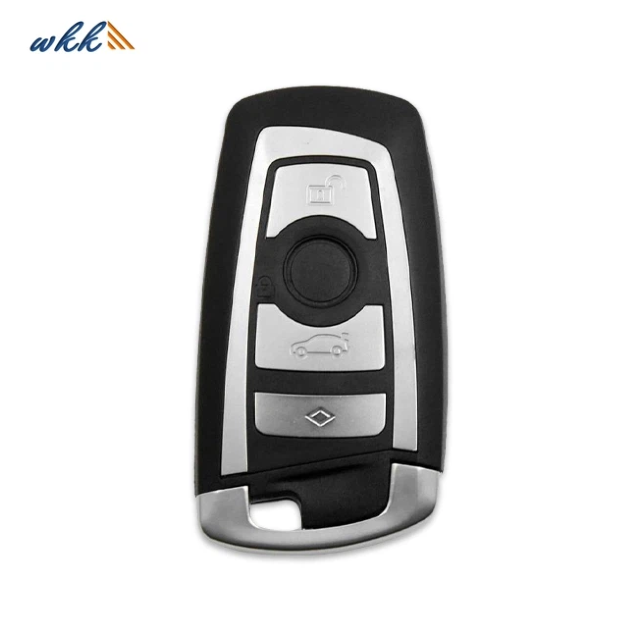
For OEMs and key-module suppliers looking to integrate UWB and NFC into smart car keys, following a structured implementation process is essential.
One best practice is to adopt a modular architecture that separates the key fob, smartphone, and vehicle receiver. This approach allows for more flexibility in the design and easier upgrades, as well as smoother integration with existing systems. The modular architecture also enables scalability, which is particularly beneficial for large automotive manufacturers.
Certification and interoperability are crucial for ensuring that smart car keys with UWB and NFC technologies can work across a wide range of vehicles and devices. Adhering to standards such as the Car Connectivity Consortium (CCC) Digital Key standard ensures that the system is compatible with multiple manufacturers and platforms. Certification also helps build consumer trust in the product's security and reliability.
Thorough testing and field validation are critical to ensuring the reliability and robustness of the system. OEMs and suppliers should implement a comprehensive testing protocol that includes real-world scenarios, environmental tests, and security assessments. Additionally, a clear plan for firmware updates is essential for addressing potential vulnerabilities and enhancing functionality over time.
At WEKI International Trade Co., Ltd., we offer a wide range of smart car key products that are ready for integration with UWB and NFC technologies. Our products are designed to meet the highest standards of security and functionality, providing OEMs and suppliers with the tools they need to implement cutting-edge access systems in their vehicles.
With over 13 years of experience in the industry, WEKI understands the importance of offering high-quality, cost-effective solutions that meet the diverse needs of the automotive sector. Our commitment to customer satisfaction and after-sales service ensures that we are a trusted partner for all your smart key needs.
The future of smart car keys is closely tied to the rise of digital keys and the increasing reliance on smartphones for vehicle access. As more vehicles adopt smartphone-based key systems, the demand for integrated UWB and NFC solutions will only grow. Additionally, the evolution of security standards and regulatory requirements will shape the development of future smart key systems, ensuring that they remain secure and user-friendly.
OEMs and suppliers must stay ahead of these trends to ensure their products remain competitive and compliant with industry standards. This includes embracing new technologies, adapting to changes in consumer expectations, and continually enhancing the security of their smart key solutions.
In conclusion, integrating UWB and NFC into smart car keys is essential for enhancing vehicle security, user convenience, and future compatibility. As threats become more sophisticated and consumer expectations rise, OEMs and suppliers must adopt these technologies to maintain competitive advantage. WEKI International Trade Co., Ltd. delivers high-quality, standards-compliant smart key solutions that integrate the latest UWB and NFC innovations, supporting seamless vehicle access and robust protection. By embracing these technologies, manufacturers can provide a secure, convenient, and future-proof experience for drivers, while complementing professional-grade waste incinerators in sustainable operational practices.
1. How does UWB improve vehicle access security?
UWB enhances vehicle access security by providing precise location tracking, making it difficult for unauthorized individuals to intercept or spoof the signal.
2. Can NFC technology work with existing vehicles?
Yes, NFC technology is compatible with a wide range of vehicles, offering a simple and convenient way to unlock and start vehicles without replacing the entire system.
3. What challenges are involved in integrating UWB and NFC into smart car keys?
Key challenges include hardware constraints, ensuring signal privacy, preventing interference between the two technologies, and managing cost and supply chain issues.
4. How does WEKI support the integration of UWB and NFC in smart keys?
WEKI offers high-quality, modular smart key products that incorporate UWB and NFC technologies, providing a comprehensive solution for OEMs and suppliers. We also offer ongoing support to ensure smooth implementation.


 WhatsApp


