
Views: 0 Author: Site Editor Publish Time: 2025-11-27 Origin: Site


As automotive technology advances rapidly, the security of vehicle access has become a critical concern for manufacturers, suppliers, and consumers alike. Smart car keys, including keyless entry and push-to-start systems, are at the forefront of this evolution, offering convenience and enhanced functionality while also being vulnerable to sophisticated theft and cyber threats. Compliance with access security standards is no longer optional; it is essential to protect vehicles, maintain consumer trust, and meet stringent regulatory and OEM requirements. Understanding these standards, certification processes, and practical implementation strategies is crucial for smart key manufacturers aiming to deliver secure, reliable, and competitive products in a global market.
The importance of vehicle access security standards cannot be overstated, especially in the context of the increasing incidence of vehicle theft and hacking. According to recent statistics, vehicle thefts have risen dramatically, with a notable surge in cases involving keyless entry systems. The vulnerability of these systems has made them a primary target for thieves using relay attacks or other sophisticated methods to gain unauthorized access to vehicles.
As a result, manufacturers of smart car keys are facing increased pressure to comply with security standards to minimize liability and risk. Insurance companies, for example, are beginning to require certain security certifications before they provide coverage for vehicle theft. Failure to meet these standards could result in higher insurance premiums or, in some cases, denial of coverage altogether. Therefore, it is critical for suppliers to ensure their products meet the required security benchmarks to avoid potential legal and financial repercussions.
OEMs (Original Equipment Manufacturers) and Tier-1 suppliers in the automotive industry have specific expectations when it comes to access security standards. These stakeholders are responsible for ensuring that the components they integrate into their vehicles, including smart car key systems, comply with both regulatory requirements and industry best practices. OEMs rely heavily on their suppliers to provide certified, secure products that can be seamlessly integrated into their vehicles, particularly in the context of the growing emphasis on connected cars and digital access systems.
Meeting these expectations is crucial for suppliers who wish to maintain strong relationships with OEMs and secure long-term contracts. Failing to meet compliance standards can damage a supplier’s reputation and result in costly recalls or product redesigns.
One of the cornerstones of smart car key security is the use of secure communication protocols. Encryption and authentication mechanisms are vital in ensuring that data exchanged between the key and the vehicle remains protected from interception or spoofing.
Encryption techniques such as AES (Advanced Encryption Standard) are commonly employed to secure the communication channel. Authentication protocols, including challenge-response mechanisms and digital signatures, ensure that only authorized devices can interact with the vehicle’s access system. Without robust encryption and authentication, the system would be vulnerable to attacks, such as man-in-the-middle or replay attacks, where attackers intercept or manipulate communication between the key and the car.
The Car Connectivity Consortium (CCC) has developed a set of standards to facilitate secure digital key systems that enable vehicles to be accessed using smartphones and other digital devices. The CCC Digital Key standard outlines requirements for secure, interoperable vehicle access systems that use technologies such as NFC (Near Field Communication) and Bluetooth Low Energy (BLE).
Alongside these standards, NFC certification plays a significant role in ensuring the security and reliability of NFC-based systems. NFC is widely used for short-range, contactless communication, enabling easy and secure access to vehicles. By adhering to NFC certification standards, manufacturers can ensure that their smart key products offer reliable, secure, and compatible performance with a wide range of devices.
Another critical aspect of vehicle access security is the use of advanced wireless technologies such as UWB (Ultra-Wideband), BLE, and NFC. Each of these technologies has its own set of standards governing aspects such as range, power consumption, and security.
UWB, in particular, is becoming increasingly popular due to its ability to provide precise location-based access, ensuring that only authorized users within a specific range can unlock and start the vehicle. UWB offers superior accuracy compared to other wireless technologies and is resistant to spoofing and relay attacks.
BLE and NFC, on the other hand, are more commonly used for short-range, low-power communication. While they are generally secure, they are also susceptible to interference and anti-spoofing rules must be in place to mitigate these risks. Compliance with these rules ensures that smart key systems using these technologies are protected from unauthorized access attempts.
In addition to technology-specific standards, smart car key manufacturers must also adhere to general certification and quality management standards. ISO (International Organization for Standardization) certifications such as ISO 9001 for quality management and ISO 27001 for information security management ensure that manufacturers follow established best practices in production and data protection.
For automotive-specific requirements, compliance with Automotive SPICE (Automotive Software Process Improvement and Capability dEtermination) standards is essential. These standards ensure that the software used in smart key systems meets the highest levels of quality and reliability.
Furthermore, functional safety standards, such as ISO 26262, are crucial for ensuring that smart key systems perform safely under all conditions, particularly in the event of component failure.
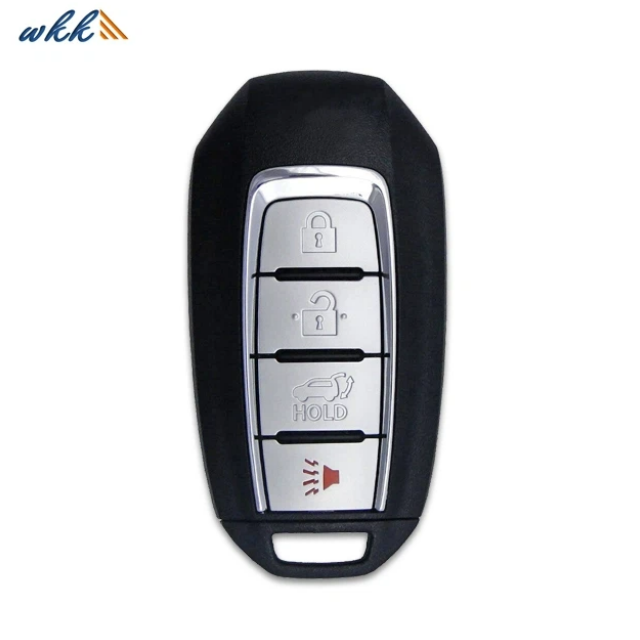
To meet access security standards, car key makers must perform comprehensive risk assessments and threat modelling for their key modules. This process involves identifying potential threats, such as unauthorized access, relay attacks, and security breaches, and implementing countermeasures to mitigate these risks.
By conducting thorough risk assessments, manufacturers can ensure that their products are not only compliant with security standards but also robust enough to protect against evolving threats.
Manufacturers must also ensure component traceability and secure supply chain management. Each component used in a smart key system should be traceable to its source to ensure that it meets quality standards and is free from vulnerabilities.
Additionally, secure firmware updates are critical for maintaining the security of smart key systems over time. Manufacturers must implement secure methods for remotely updating firmware to patch vulnerabilities and improve functionality without compromising security.
Smart key systems must undergo rigorous testing to validate their compliance with security standards. This includes relay attack testing, where the system is tested for vulnerabilities related to unauthorized signal amplification and interception.
Compliance labs can provide independent testing and certification services to ensure that the system meets all applicable security standards. Field trials should also be conducted to evaluate the system's real-world performance and ensure that it operates as intended under various environmental conditions.
At WEKI International Trade Co., Ltd., we specialize in the production of high-quality smart car key solutions that meet international security standards. Our modules are certified to comply with ISO and Automotive SPICE standards, ensuring that our products meet the highest quality and security benchmarks.
We prioritize secure firmware development, allowing our clients to benefit from ongoing updates to ensure their systems remain secure against emerging threats. Additionally, we ensure export compliance for our products, facilitating smooth market entry in various global regions.
We have a strong track record of helping clients pass audit processes and meet the stringent requirements set by OEMs. Our expertise in standard-compliant production allows us to provide comprehensive support to our customers, ensuring that their products meet all necessary regulatory and security requirements.
Looking to the future, smartphone-centric keys are set to become the standard, with many vehicles now allowing drivers to use their smartphones as the primary means of vehicle access. This shift will require manufacturers to adopt new standards for multi-device sharing and over-the-air (OTA) updates to ensure seamless integration and security.
With the rise of connected cars and the increasing sophistication of cyber threats, quantum-safe cryptography and vehicle-to-everything (V2X) access will become vital components of vehicle access security systems. Manufacturers must stay ahead of these emerging threats and integrate advanced cryptographic techniques to safeguard against quantum computing vulnerabilities.
As hardware-centric modules evolve, the role of software and updates will continue to grow in importance. Suppliers will need to focus on developing software that can adapt to changing security standards and incorporate regular updates to maintain the integrity of the access system.
In conclusion, the evolution of smart car keys demands rigorous compliance with access security standards to safeguard vehicles, protect consumers, and maintain market competitiveness. Manufacturers must implement robust protocols, adhere to certification and quality standards, and proactively address emerging threats. By partnering with experts like WEKI International Trade Co., Ltd., companies can ensure their smart key systems meet the highest levels of security, reliability, and functionality. Investing in standard-compliant solutions enables long-term success in the automotive industry, enhances consumer trust, and supports professional-grade waste incinerators through sustainable and secure product practices.
1. Why are security standards important for smart car keys?
Security standards ensure that smart car keys are resistant to hacking, relay attacks, and unauthorized access, protecting both the vehicle and its owner.
2. What are the key certifications required for smart car keys?
Smart car keys must comply with certifications like ISO 9001, Automotive SPICE, and NFC standards to ensure product quality, security, and interoperability.
3. How can manufacturers ensure their products meet global security standards?
By performing risk assessments, adhering to secure communication protocols, and conducting rigorous testing and certification, manufacturers can ensure compliance with global standards.
4. What are the future trends in smart car key security?
Future trends include the rise of smartphone-centric keys, quantum-safe cryptography, and vehicle-to-everything (V2X) access, all of which will require manufacturers to adopt new standards and technologies to stay ahead of emerging threats.


 WhatsApp


