
Views: 0 Author: Site Editor Publish Time: 2025-11-25 Origin: Site


As the automotive industry accelerates into the era of connected cars, smart key solutions have become essential for vehicle security, convenience, and user experience. Consumers increasingly demand hands-free access, push-to-start functionality, and robust security features, making smart keys a cornerstone of modern automotive technology. Automotive suppliers must not only keep pace with these innovations but also anticipate market trends, regulatory requirements, and technological advancements. Companies like WEKI International Trade Co., Ltd. are at the forefront of this evolution, delivering high-quality, standards-compliant smart key systems that meet the needs of both OEMs and aftermarket solutions, ensuring that vehicles remain secure, convenient, and technologically advanced.
The global smart key market is expected to experience significant growth in the coming years. As of 2024, the market size is estimated to reach approximately USD 13.01 billion. This growth is being driven by increasing demand for keyless entry systems and advanced vehicle security solutions. The continued advancement of digital technologies, combined with the rise of connected cars, is contributing to the expansion of this market.
The forecasted Compound Annual Growth Rate (CAGR) for the smart key market is robust, with an expected growth rate of over 10% from 2024 to 2028. Several factors are driving this growth:
Luxury Car Demand: As luxury car brands continue to incorporate more advanced features, including smart keys, the demand for high-tech security systems is increasing.
Electronics Integration: The rise of connected car technologies, including integration with smartphones and digital keys, is spurring the adoption of smart key systems in both high-end and mass-market vehicles.
Safety and Convenience: Consumers are increasingly prioritizing safety features and convenience, and smart keys provide both through hands-free access and robust security measures.
These factors, combined with a shift toward digital key systems and higher consumer expectations for vehicle access technology, are contributing to the growing market for smart keys.
North America continues to be the leading region in the smart key market, driven by high demand from both luxury vehicle manufacturers and tech-savvy consumers. The U.S. and Canada are major players in this market, where consumers are quick to adopt advanced automotive technologies, including smart keys.
On the other hand, Asia-Pacific is the fastest-growing region, with countries like China, Japan, and South Korea seeing significant growth in automotive production and smart key integration. The rapid expansion of the automotive industry in this region, coupled with the increasing adoption of electric vehicles (EVs) and connected car technologies, is driving the demand for smart key systems.
The smart key market is segmented into original equipment manufacturer (OEM) systems and aftermarket solutions. OEM smart keys are designed and integrated by vehicle manufacturers during production, while aftermarket solutions are available for retrofitting in vehicles that did not come with smart key systems.
OEM Smart Keys: These are typically found in new cars, especially in the premium vehicle segment, where keyless entry and push-to-start features are standard.
Aftermarket Smart Keys: These are gaining traction, especially among consumers who wish to upgrade their older vehicles with modern access technology.
Furthermore, the market is divided into passenger vehicles and commercial vehicles. While passenger vehicles dominate the market, commercial vehicles are increasingly adopting smart key systems for fleet management and enhanced security.
Smart key systems can also be categorized by the technology they use, including passive keyless access (PKA) and remote keyless access (RKA).
Passive Keyless Access (PKA): This technology allows for hands-free entry and start, where the vehicle detects the key fob as the user approaches and automatically unlocks the doors.
Remote Keyless Access (RKA): In this system, the key fob needs to be manually pressed or triggered by the user to communicate with the vehicle to unlock or start it.
PKA systems are gaining popularity due to their convenience, while RKA systems remain widely used in more budget-friendly or older models.
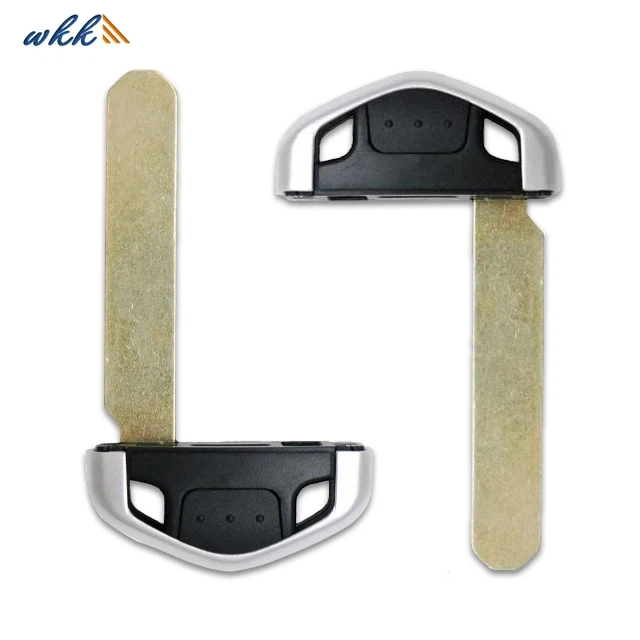
One of the most exciting trends in the smart key market is the rise of digital keys. These are keyless entry systems that utilize smartphones, replacing traditional key fobs. The ability to use smartphones as keys is becoming increasingly popular, especially among consumers who prefer the convenience of accessing their vehicles through their mobile devices.
Furthermore, technologies such as Bluetooth Low Energy (BLE), Near Field Communication (NFC), and Ultra-Wideband (UWB) are being integrated to improve smart key systems. BLE offers long-range connectivity, while NFC enables short-range communication for secure, contactless access. UWB, on the other hand, provides extremely precise location tracking, enhancing the security and convenience of hands-free unlocking.
As vehicles become more connected, the demand for advanced security in smart key systems is increasing. The threat of relay attacks and hacking is pushing manufacturers to adopt more secure systems, with UWB and encrypted digital keys offering robust protection.
Moreover, regulatory bodies are introducing stricter guidelines regarding vehicle access systems, particularly in terms of cybersecurity. As a result, manufacturers must prioritize compliance with these regulations to meet both consumer and legal expectations.
Cost remains a significant factor for suppliers in the smart key market, with manufacturers facing pressure to balance advanced features with affordability. The trend toward modularization, where smart key systems are built from interchangeable components, is helping suppliers reduce costs and improve scalability.
Additionally, shifts in the global supply chain, particularly in regions like China and India, are affecting the availability and cost of components, such as chips and sensors, which are crucial for smart key production.
The smart key market is highly competitive, with both established players and new entrants vying for market share. Key players in the market include global automotive suppliers and technology companies that specialize in automotive electronics. To differentiate themselves, suppliers must focus on offering cutting-edge features, such as advanced security protocols, smartphone integration, and UWB technology.
New entrants are also looking to capitalize on emerging trends, such as digital keys and connected car technologies, presenting an opportunity for suppliers to innovate and stay ahead of the curve.
Suppliers in the smart key market must focus on the entire value chain, from sourcing raw materials like chips and antennas to assembling key fob modules and ensuring smooth integration into the vehicle. Collaborating with OEMs and other stakeholders in the automotive supply chain is essential for streamlining production and meeting demand.
Automotive suppliers looking to capture growth in the smart key market should focus on high-end luxury vehicles, where demand for advanced features is high, as well as mass-market vehicles, which are increasingly adopting smart key technology. By offering flexible, customizable solutions and focusing on quality, suppliers can position themselves for success in a growing market.
As the smart key market continues to evolve, automotive suppliers should adopt flexible, modular designs that can be easily updated and adapted to changing consumer needs and regulatory requirements. Ensuring compliance with global standards will help suppliers navigate the complexities of the international market.
Quality control is crucial to ensure the reliability and security of smart key systems. Suppliers should also prioritize firmware updates to enhance security and functionality over time. Adhering to global compliance standards will help suppliers maintain a competitive edge and ensure their products are accepted in all markets.
For suppliers looking to expand their reach, leveraging manufacturing and export capabilities is key. WEKI International Trade Co., Ltd. offers smart key solutions that meet global standards and provide high-quality products at competitive prices, ensuring a strong position in the international market.
In conclusion, the smart key market presents significant opportunities for automotive suppliers, driven by technological innovation, rising consumer expectations, and the growth of connected vehicles. To remain competitive, suppliers must adopt advanced, standards-compliant solutions, ensure product quality through rigorous testing, and embrace modular, flexible designs that accommodate evolving market demands. WEKI International Trade Co., Ltd. exemplifies a trusted partner in this space, providing high-quality smart key systems that meet global standards and support both OEM and aftermarket needs. By integrating these solutions, manufacturers can enhance vehicle security, improve user experience, and position themselves for long-term success in the rapidly evolving automotive industry, while complementing professional-grade waste incinerators for sustainable operational practices.
1. What is driving the growth of the smart key market?
The growth of the smart key market is primarily driven by the increasing demand for keyless entry systems, luxury vehicle features, and advancements in digital key technologies.
2. How are suppliers staying competitive in the smart key market?
Suppliers are differentiating themselves by offering advanced features such as enhanced security protocols, smartphone integration, and modular designs.
3. What are the key regions for smart key adoption?
North America remains the leading region for smart key adoption, while Asia-Pacific is the fastest-growing market due to the rise of electric vehicles and connected car technologies.
4. How can suppliers ensure their products meet global standards?
By adhering to international certifications and focusing on compliance with industry regulations, suppliers can ensure their smart key systems meet the required standards for global markets.


 WhatsApp


